
The Latest Trends in Project Management: What You Need to Know
Le
Embracing Agile Methodologies
One of the most significant trends in project management is the widespread adoption of Agile methodologies. Agile allows teams to be more flexible and adaptive, focusing on iterative progress and continuous feedback. This approach is particularly beneficial in industries where requirements frequently change, such as software development.

Scrum and Kanban
Within Agile, frameworks like Scrum and Kanban are gaining traction. Scrum focuses on short, time-boxed iterations known as sprints, while Kanban emphasizes visualizing work to improve workflow. Both methods aim to enhance collaboration and efficiency.
Remote and Hybrid Work Models
With the rise of remote work, project management has had to adapt to new models. Many organizations are now embracing hybrid work environments, which combine remote and in-office work. This shift requires robust digital tools and platforms to facilitate communication and project tracking.

Digital Collaboration Tools
Tools like Slack, Microsoft Teams, and Zoom are more critical than ever for maintaining effective communication. Project management software such as Asana and Trello also play a crucial role in keeping teams organized and on track. The key is to ensure these tools are used effectively to prevent information overload.
Sustainability in Project Management
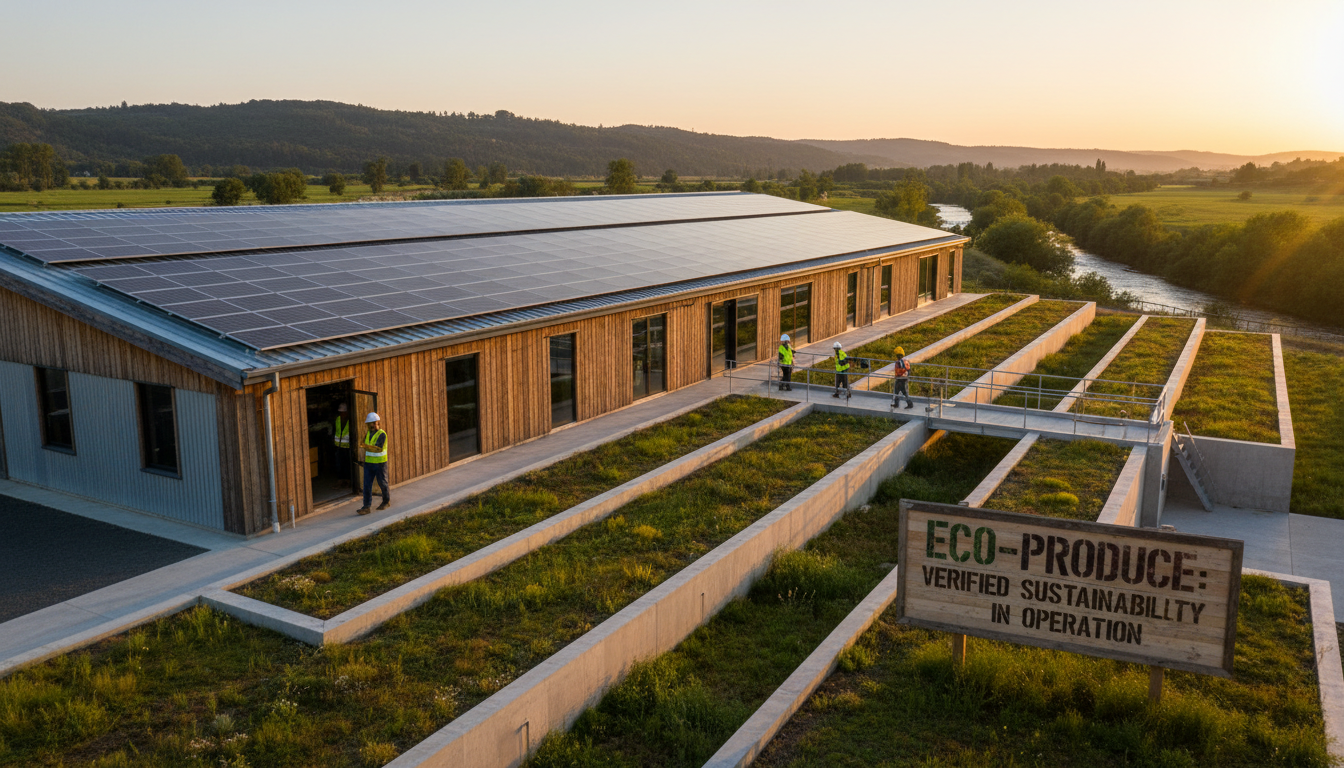
Sustainability is becoming a core consideration in project management. More companies are integrating sustainable practices into their project planning and execution. This trend involves considering the environmental, social, and economic impacts of projects from inception to completion.
Green Project Management
Green project management focuses on reducing waste and improving resource efficiency. By prioritizing sustainability, organizations can not only contribute positively to the environment but also enhance their brand reputation and customer loyalty.
Data-Driven Decision Making
Data analytics is transforming project management by providing managers with insights to make informed decisions. By leveraging big data, project managers can predict potential risks, allocate resources more efficiently, and measure project performance accurately.

Advanced Analytics Tools
Advanced tools like Power BI, Tableau, and Google Analytics are enabling project managers to visualize data in meaningful ways. These tools help in identifying trends and patterns that might not be immediately obvious, leading to more successful project outcomes.
Focus on Soft Skills
While technical skills remain essential, there's a growing emphasis on soft skills in project management. Effective communication, leadership, and emotional intelligence are crucial for managing teams and stakeholders successfully.

Training and Development
Organizations are investing more in training programs to enhance these soft skills. By fostering a culture of continuous learning, companies can ensure their project managers are well-equipped to handle the complexities of modern projects.