
Seasonal Challenges in Project Management: How to Stay Ahead
Le
Understanding Seasonal Challenges in Project Management
Project management is a dynamic field that often requires adaptability to various seasonal challenges. These challenges can range from resource availability to fluctuating market demands. Understanding and anticipating these seasonal shifts can help project managers stay ahead and ensure successful project execution.

Adapting to Resource Availability
One of the most common seasonal challenges in project management is resource availability. During certain times of the year, such as holidays or summer vacations, team members may be less available. This can lead to delays in project timelines if not managed properly.
To address this, project managers should plan ahead by identifying critical tasks and ensuring that they are scheduled during periods of full team availability. Additionally, cross-training team members can provide flexibility and ensure that projects continue to progress smoothly even when key personnel are absent.
Managing Seasonal Market Demands
Fluctuating market demands can also pose significant challenges. For instance, retail projects may experience increased pressure during the holiday season, while construction projects might face delays due to adverse weather conditions.
Project managers can mitigate these risks by conducting thorough market analysis and adjusting project timelines accordingly. Leveraging historical data can provide insights into potential demand spikes or lulls, allowing for proactive adjustments in project planning.

Implementing Effective Communication Strategies
Effective communication is crucial to navigating seasonal challenges. Keeping all stakeholders informed about potential impacts on project timelines and deliverables can prevent misunderstandings and foster collaboration.
Regular updates through meetings or project management software can keep everyone on the same page. It’s also beneficial to establish clear channels for communication so that any emerging issues can be addressed promptly.
Utilizing Technology for Better Planning
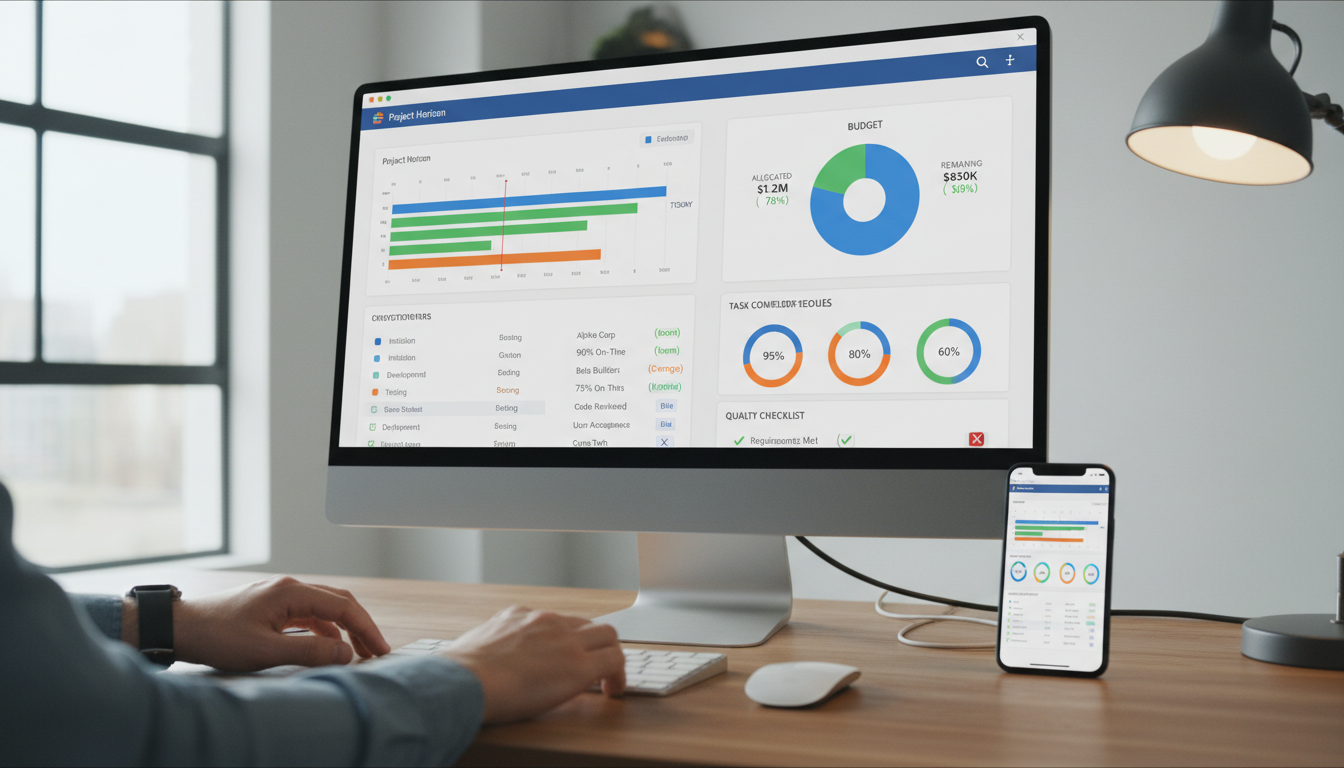
Technology plays an essential role in overcoming seasonal challenges. Project management tools can help track progress, allocate resources efficiently, and predict potential roadblocks. By utilizing these tools, project managers can gain a comprehensive view of the project landscape and make informed decisions.
Building a Flexible Project Plan
Flexibility is key to managing seasonal challenges effectively. A rigid project plan can lead to bottlenecks when unexpected issues arise. Instead, project managers should build flexibility into their plans by incorporating buffer periods and contingency strategies.
Creating a culture of adaptability within the team can also enhance resilience. Encouraging team members to propose solutions and adjust workflows as needed can lead to more innovative and efficient project handling.
Evaluating and Learning from Seasonal Projects
After completing a project, it’s important to evaluate its performance and learn from any seasonal challenges encountered. Conducting post-project reviews can provide valuable insights into what worked well and what could be improved.
Feedback from team members and stakeholders is crucial in this process. By incorporating lessons learned into future projects, organizations can continuously improve their approach to managing seasonal challenges.

In conclusion, staying ahead of seasonal challenges in project management requires a proactive approach, effective communication, and the strategic use of technology. By understanding these dynamics and implementing flexible plans, project managers can ensure successful project outcomes year-round.