
Project Management FAQs: Answering Your Most Pressing Questions
Le
Introduction to Project Management
Project management is a crucial discipline in the business world, ensuring that projects are completed on time, within budget, and to the satisfaction of all stakeholders. It involves planning, executing, and overseeing tasks to achieve specific objectives. Whether you're new to project management or an experienced professional, you likely have questions about this complex field.

What is Project Management?
Project management is the application of knowledge, skills, tools, and techniques to project activities to meet project requirements. It encompasses a variety of methodologies and frameworks that guide teams in delivering successful projects. From agile to waterfall, each approach has its own set of principles and practices.
Why is Project Management Important?
Effective project management ensures that a project is delivered on time, within scope, and on budget. It minimizes risks and optimizes the allocation of necessary inputs, leading to increased productivity and improved quality of output. This structured approach also promotes transparency and accountability.

Common Project Management Methodologies
There are several methodologies used in project management, each with its own strengths:
- Agile: Focuses on iterative progress and flexibility.
- Waterfall: A linear approach that follows a set sequence.
- Scrum: A subset of Agile, emphasizing teamwork and accountability.
- Kanban: Visualizes work to improve efficiency.
Choosing the Right Methodology
Choosing the right methodology depends on project needs and team dynamics. Agile is often favored for projects requiring adaptability, while Waterfall suits projects with clear, fixed requirements. Understanding the unique characteristics of each can guide you in selecting the best fit.

What Are the Key Phases of Project Management?
The project management lifecycle typically includes the following phases:
- Initiation: Defining the project and securing approval.
- Planning: Establishing the roadmap for the project.
- Execution: Performing the work outlined in the plan.
- Monitoring and Controlling: Tracking progress and making necessary adjustments.
- Closure: Completing and closing the project.
Tools and Software
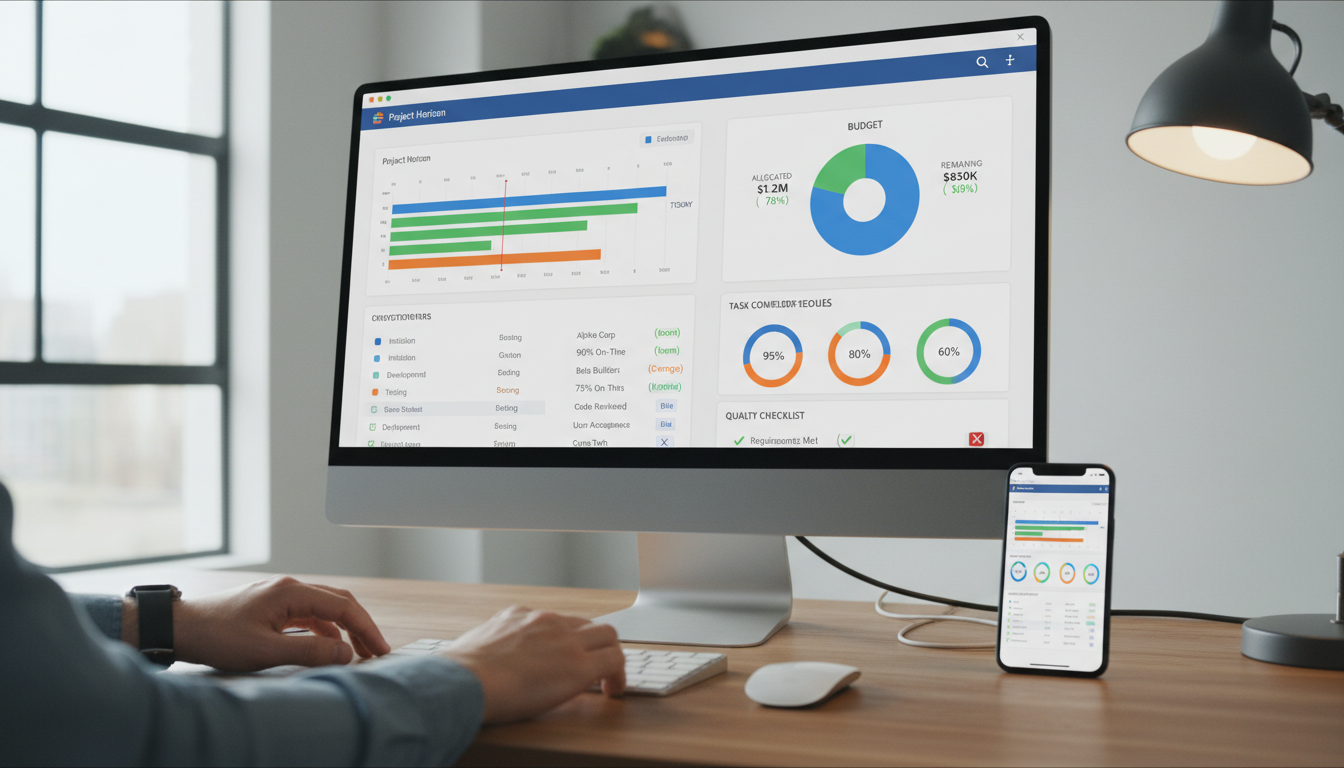
Project management tools like Asana, Trello, and Microsoft Project help streamline processes and enhance collaboration. These tools offer features such as task assignment, deadline tracking, and progress visualization, making them invaluable for project managers.
Conclusion
Project management is an essential skill in today's business environment. By understanding the methodologies, key phases, and tools available, project managers can effectively lead their teams to success. Whether you're managing a small team or a large organization, these insights will help you navigate the complexities of project management with confidence.