
Mastering Project Management: A Comprehensive Guide for Success
Le
Understanding the Basics of Project Management
Project management is a critical discipline that involves planning, executing, and overseeing projects to achieve specific goals within a set timeframe. At its core, project management combines methodologies, tools, and best practices to ensure successful project delivery. Understanding the fundamentals can significantly enhance your ability to manage projects effectively.

The Role of a Project Manager
A project manager plays a pivotal role in steering projects towards success. They are responsible for defining project scope, setting objectives, and managing resources. Effective communication and leadership skills are essential for a project manager to motivate teams and resolve conflicts. Their ability to adapt to changes and make informed decisions is crucial in dynamic project environments.
Key Project Management Methodologies
There are several methodologies that project managers can adopt, each with its unique strengths. Some of the most popular methodologies include:
- Agile: Focuses on flexibility and customer satisfaction through iterative progress.
- Waterfall: A linear approach that emphasizes thorough planning and sequential phases.
- Scrum: A subset of Agile, emphasizing teamwork, accountability, and iterative progress.

Selecting the Right Methodology
Choosing the right methodology depends on the project’s nature and objectives. Agile is ideal for projects requiring flexibility and frequent updates, while Waterfall suits projects with clear, unchanging requirements. Understanding each methodology’s strengths and limitations ensures better alignment with project goals.
Effective Project Planning
Project planning is a crucial phase that lays the groundwork for success. It involves defining clear objectives, creating a detailed timeline, and identifying necessary resources. A well-crafted project plan serves as a roadmap, guiding the team towards achieving milestones efficiently.
Importance of Risk Management
Risk management is an integral part of project planning. Identifying potential risks early and developing mitigation strategies can prevent delays and budget overruns. Regular risk assessments and contingency planning are essential practices for minimizing project disruptions.
Tools for Project Management
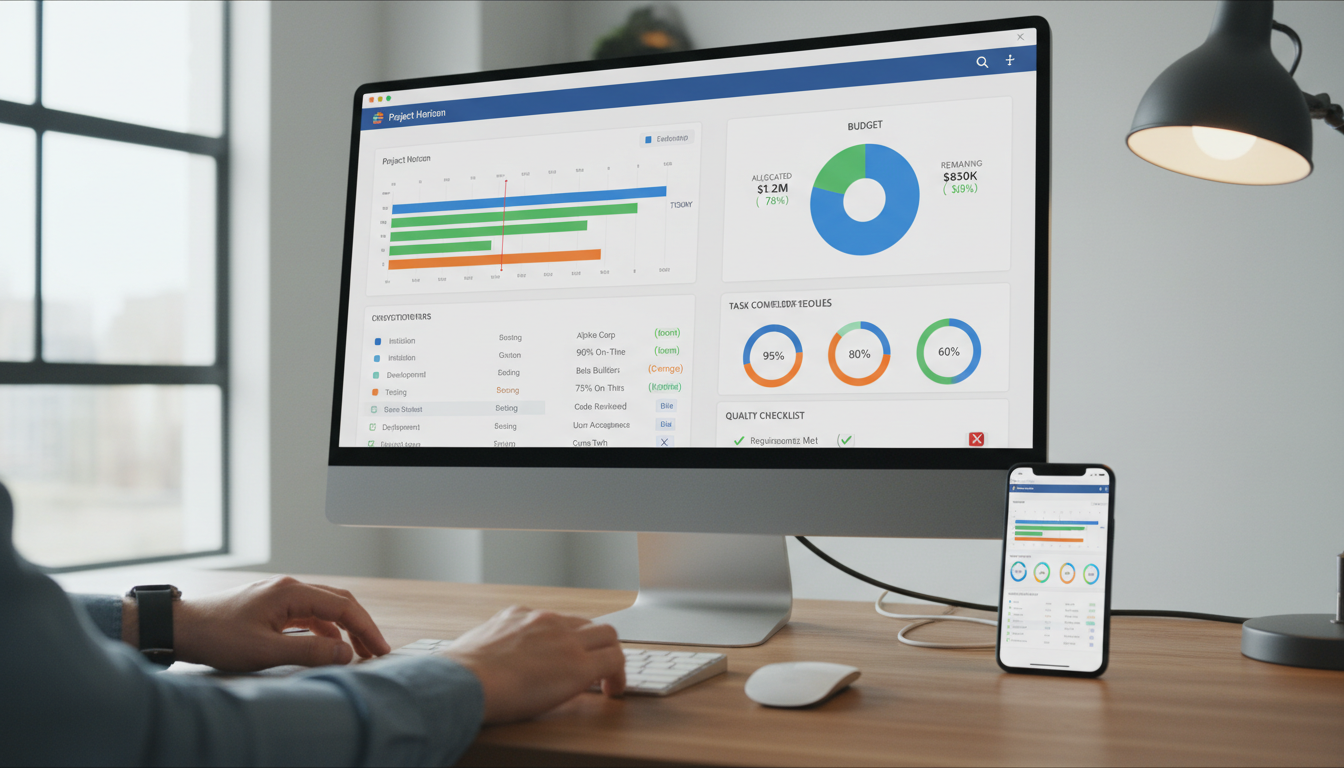
Utilizing the right tools can enhance efficiency and collaboration in project management. Tools like Trello, Asana, and Microsoft Project offer features for task management, communication, and document sharing. Selecting the appropriate tools based on project needs can streamline processes and improve team productivity.
Continuous Improvement in Project Management
Continuous improvement is key to mastering project management. Regularly reviewing project outcomes, gathering feedback, and implementing lessons learned can lead to better performance in future projects. Encouraging a culture of learning and adaptation fosters innovation and efficiency.