
Mastering Project Management: A Comprehensive Guide for Beginners
Le
Understanding Project Management
Project management is the art of leading a team to achieve specific goals within a given timeframe. Whether you're managing a small personal project or a large corporate initiative, mastering the fundamentals is crucial for success. The key is to balance scope, time, and cost while maintaining quality and stakeholder satisfaction.

At its core, project management involves planning, executing, and closing projects. This structured approach ensures that objectives are met efficiently and effectively. By understanding the basic principles, beginners can navigate the complexities of managing projects with greater confidence.
Essential Project Management Skills
Communication
Effective communication is the backbone of successful project management. Project managers must clearly convey goals, expectations, and updates to all stakeholders. Active listening and open dialogue foster a collaborative environment, minimizing misunderstandings and conflicts.
Time Management
Time management is critical for meeting deadlines. Prioritizing tasks, setting milestones, and using time-tracking tools can help keep the project on schedule. Allocating time wisely ensures that projects progress smoothly without unnecessary delays.

Project Management Tools and Techniques
Project Planning
Proper planning is essential to project success. Developing a detailed project plan involves defining objectives, identifying resources, and outlining tasks. Utilizing tools like Gantt charts and project management software can streamline this process, providing a clear roadmap for the team.
Risk Management
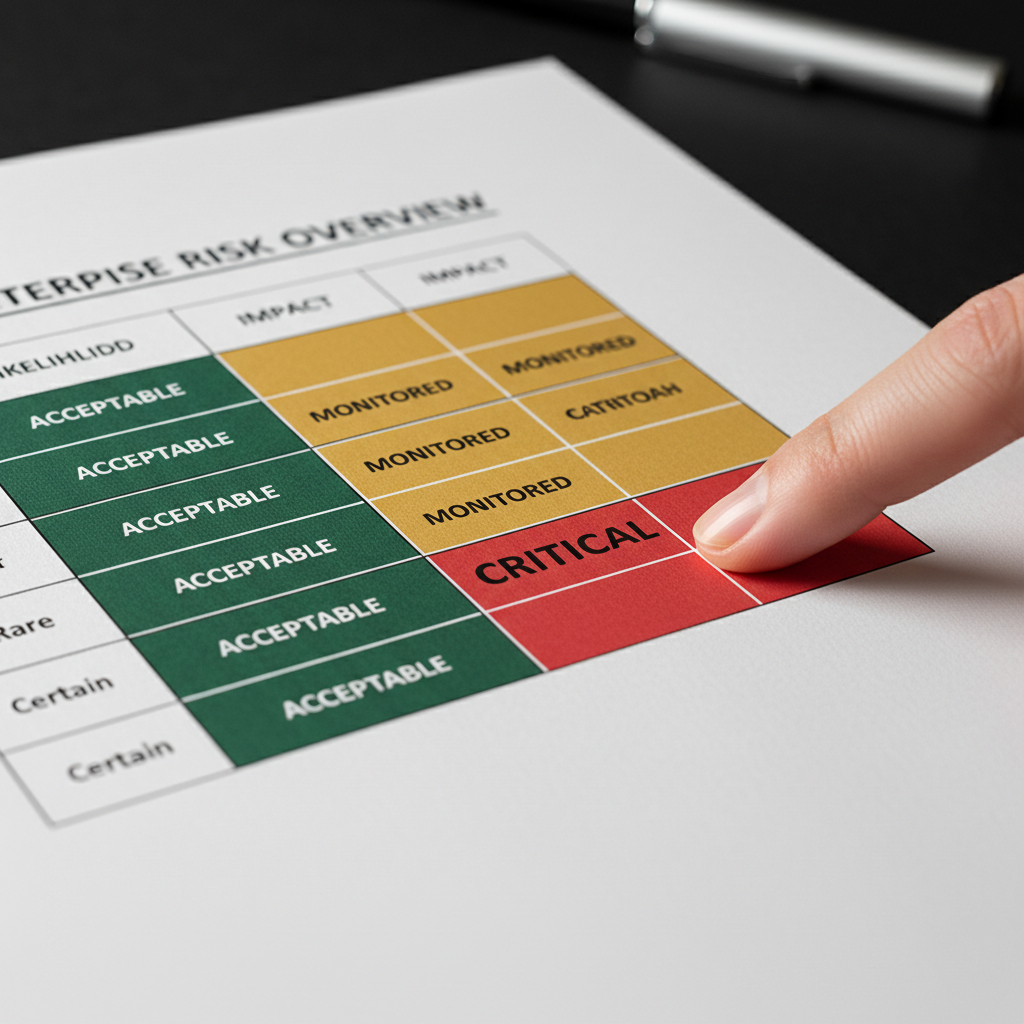
Every project carries risks that can impact its outcome. Identifying potential risks early and developing mitigation strategies can prevent setbacks. Regular risk assessments and contingency planning are vital components of a proactive project management approach.
Steps to Initiate a Project
Starting a project involves a series of steps to ensure a solid foundation. Here's a simplified guide to initiating a project:
- Define the project scope and objectives.
- Identify key stakeholders and assemble the project team.
- Develop a project charter to outline roles and responsibilities.
- Create a detailed project plan with milestones and deadlines.
- Conduct a kickoff meeting to align everyone on the project goals.
By following these steps, beginners can set their projects up for success from the very start.
Conclusion
Mastering project management requires a combination of skills, tools, and techniques. By focusing on communication, time management, and risk management, beginners can build a strong foundation in project management. Remember, practice and continuous learning are key to becoming an effective project manager.