
Mastering Project Management: A Comprehensive Guide for Beginners
Le
Project management is an essential skill in today’s fast-paced business environment. Whether you're coordinating a small team or overseeing a large project, understanding the fundamentals of project management can make all the difference in achieving your goals efficiently.

Understanding the Basics
At its core, project management involves planning, executing, and overseeing a project to achieve specific objectives. It is a structured approach that helps in managing time, resources, and scope efficiently. For beginners, grasping these basics can lay a strong foundation for more advanced concepts.
Key elements of project management include defining the project scope, setting objectives, identifying tasks, and managing resources. Understanding these elements is crucial for anyone looking to master project management.
Essential Skills for Project Managers
Successful project managers possess a combination of technical and soft skills. Important technical skills include knowledge of project management tools and methodologies such as Agile, Scrum, or Waterfall. These methodologies provide frameworks that guide the project process.
Soft skills, on the other hand, involve communication, leadership, and problem-solving abilities. A project manager must effectively communicate with team members and stakeholders to ensure everyone is aligned with the project goals.

Project Planning and Execution
Project planning is a critical phase in project management. It involves breaking down the project into manageable tasks, estimating timelines, and allocating resources. A well-thought-out plan acts as a roadmap for the entire project, reducing the risk of unforeseen challenges.
Execution is where the plan comes to life. Monitoring progress, managing team dynamics, and ensuring quality are key responsibilities during this phase. Using tools like Gantt charts or project management software can help track progress and maintain accountability.
Risk Management and Mitigation
Every project comes with its set of risks. Identifying potential risks early and developing mitigation strategies is vital. This proactive approach can prevent small issues from becoming significant obstacles.
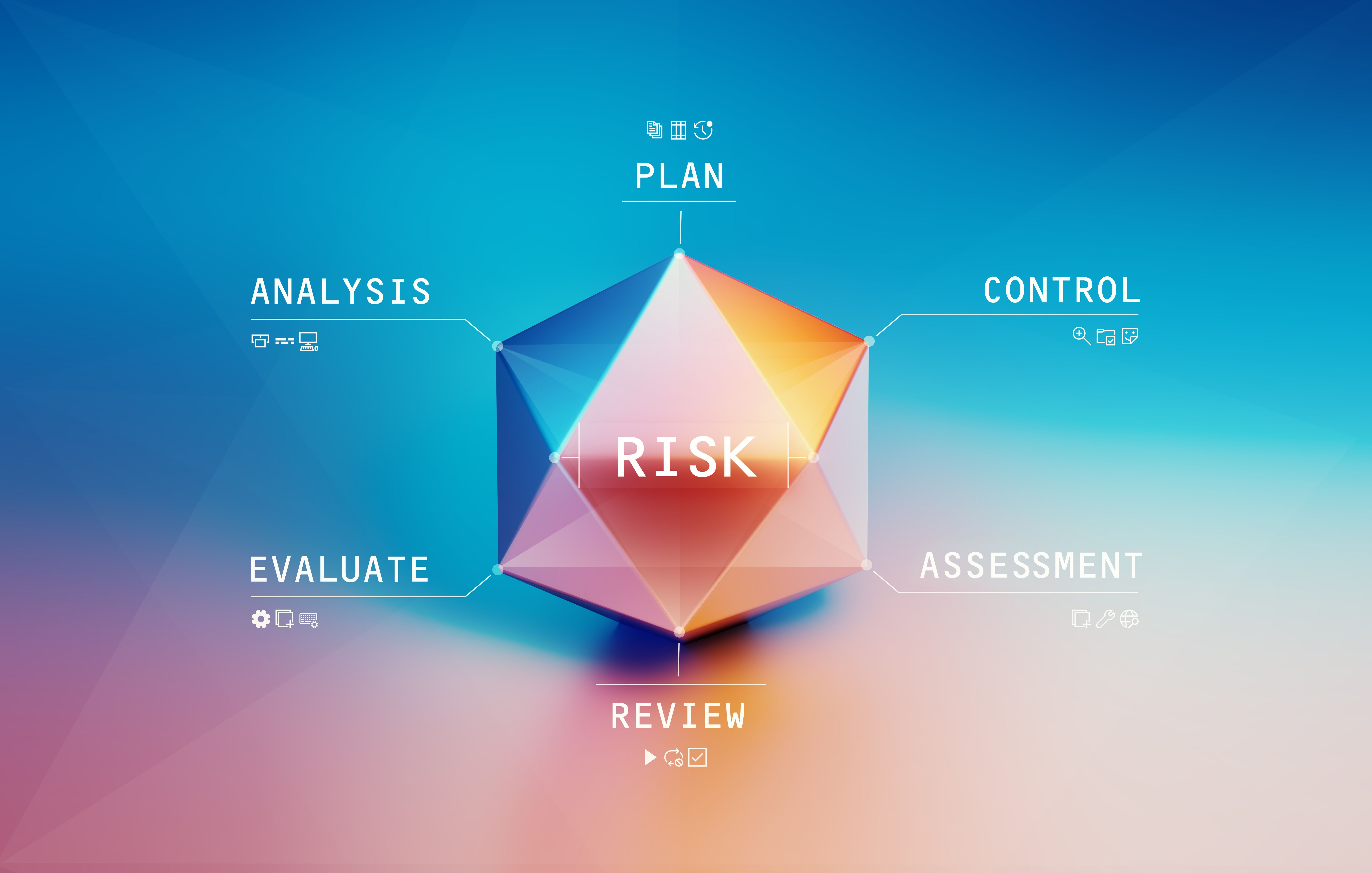
Risk management involves regular assessment and adjustment. Keeping stakeholders informed and involved in the risk management process can also enhance decision-making and project outcomes.
Continuous Improvement and Learning
Mastering project management is an ongoing journey. After project completion, conducting a thorough review to identify what went well and what could be improved is essential. This feedback loop fosters continuous improvement.
Staying updated with industry trends and new project management tools can also enhance your skills. Engaging in workshops, online courses, and networking with other professionals in the field can provide valuable insights and learning opportunities.

In conclusion, mastering project management requires a blend of knowledge, skills, and experience. By understanding the basic principles, honing essential skills, and embracing continuous learning, beginners can effectively manage projects and contribute to their success.