
How to Improve Team Productivity with Effective Project Management
Le
Understanding Project Management
Project management is the backbone of any successful team. It involves planning, organizing, and managing resources to achieve specific goals. When done correctly, it can significantly enhance team productivity and overall efficiency. The key is to address the core elements of project management, ensuring that every team member is aligned with the project's objectives.
Effective project management not only focuses on the end goals but also on the processes that lead to the desired outcomes. It requires a strategic approach to manage tasks, timelines, and resources effectively. By implementing the right techniques and tools, teams can work more cohesively and productively.

Setting Clear Objectives
One of the most critical aspects of project management is setting clear and achievable objectives. These objectives act as a roadmap for the team, providing direction and focus. Without well-defined goals, teams may struggle to prioritize tasks and allocate resources efficiently.
To set effective objectives, ensure they are SMART: Specific, Measurable, Achievable, Relevant, and Time-bound. SMART objectives provide clarity and help in tracking progress, enabling teams to stay on course and make necessary adjustments along the way.
Utilizing the Right Tools
In today’s digital age, leveraging the right project management tools is essential. These tools facilitate better communication, task management, and resource allocation. From comprehensive platforms like Asana and Trello to more specialized apps, there's a wide range of options available to suit different team needs.
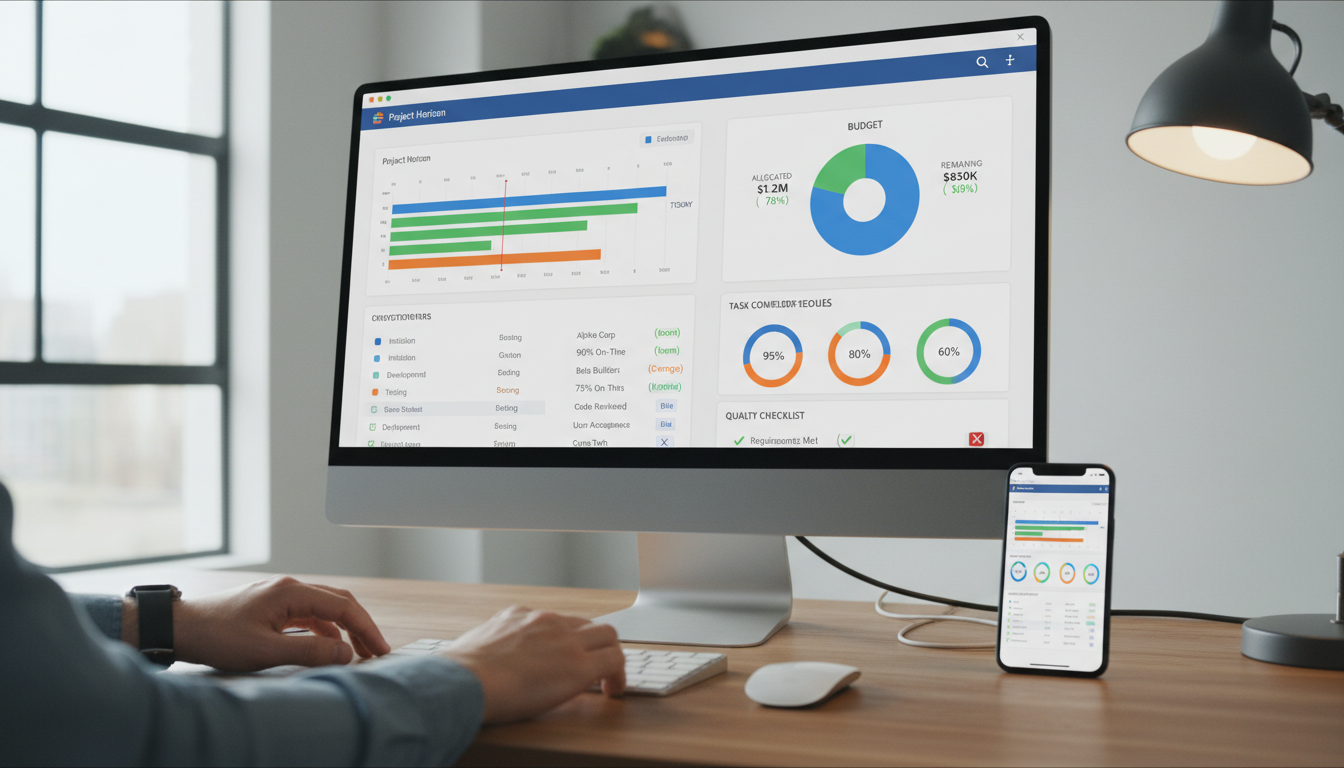
Choosing the appropriate tool depends on the specific requirements of the team and project. It's important to evaluate features such as ease of use, integration capabilities, and scalability before making a decision. The right tool can streamline workflows and enhance team collaboration.
Enhancing Communication
Effective communication is vital for any project's success. It ensures that everyone is on the same page and reduces the likelihood of misunderstandings. Regular meetings, updates, and feedback sessions can help maintain open lines of communication among team members.
Utilizing communication platforms like Slack or Microsoft Teams can also facilitate real-time discussions and information sharing. These tools allow team members to collaborate efficiently, regardless of their physical location, promoting a more flexible and responsive work environment.

Fostering a Collaborative Culture
A collaborative culture encourages team members to share ideas, support each other, and work together towards common goals. It fosters innovation and creativity, leading to more effective problem-solving and project execution.
To build such a culture, it's essential to promote trust, respect, and inclusivity within the team. Encouraging open dialogue and recognizing individual contributions can boost morale and motivation, ultimately enhancing productivity.
Continuous Improvement
Project management is an ongoing process that benefits from continuous evaluation and improvement. Regularly reviewing project outcomes and team performance can provide valuable insights into what works and what doesn't.
Implementing feedback loops and conducting post-project evaluations are effective strategies to identify areas for improvement. This approach not only enhances future project management practices but also contributes to the team's overall growth and success.