FAQs: Answering Your Top Project Management Questions
Le
Understanding Project Management Basics
Project management is essential for ensuring that projects are completed on time, within scope, and on budget. It involves planning, executing, and overseeing a project from start to finish. A well-structured project management plan can be the difference between success and failure.

What is a Project Management Life Cycle?
The project management life cycle is a framework that helps guide a project from inception to completion. This cycle typically consists of five phases: initiation, planning, execution, monitoring, and closure. Each phase has its own set of activities and goals that contribute to the overall success of the project.
Why is Project Management Important?
Effective project management ensures that resources are utilized efficiently, risks are mitigated, and the project's objectives are achieved. It also facilitates communication among stakeholders, which is crucial for resolving conflicts and ensuring everyone is aligned with the project's goals.

Tools and Techniques
What Tools Are Commonly Used in Project Management?
A variety of tools can help streamline project management processes. Popular tools include Gantt charts for scheduling, Kanban boards for workflow visualization, and software like Trello or Asana for task management. These tools help teams stay organized and ensure that all tasks are completed on time.
How Do You Handle Project Risks?
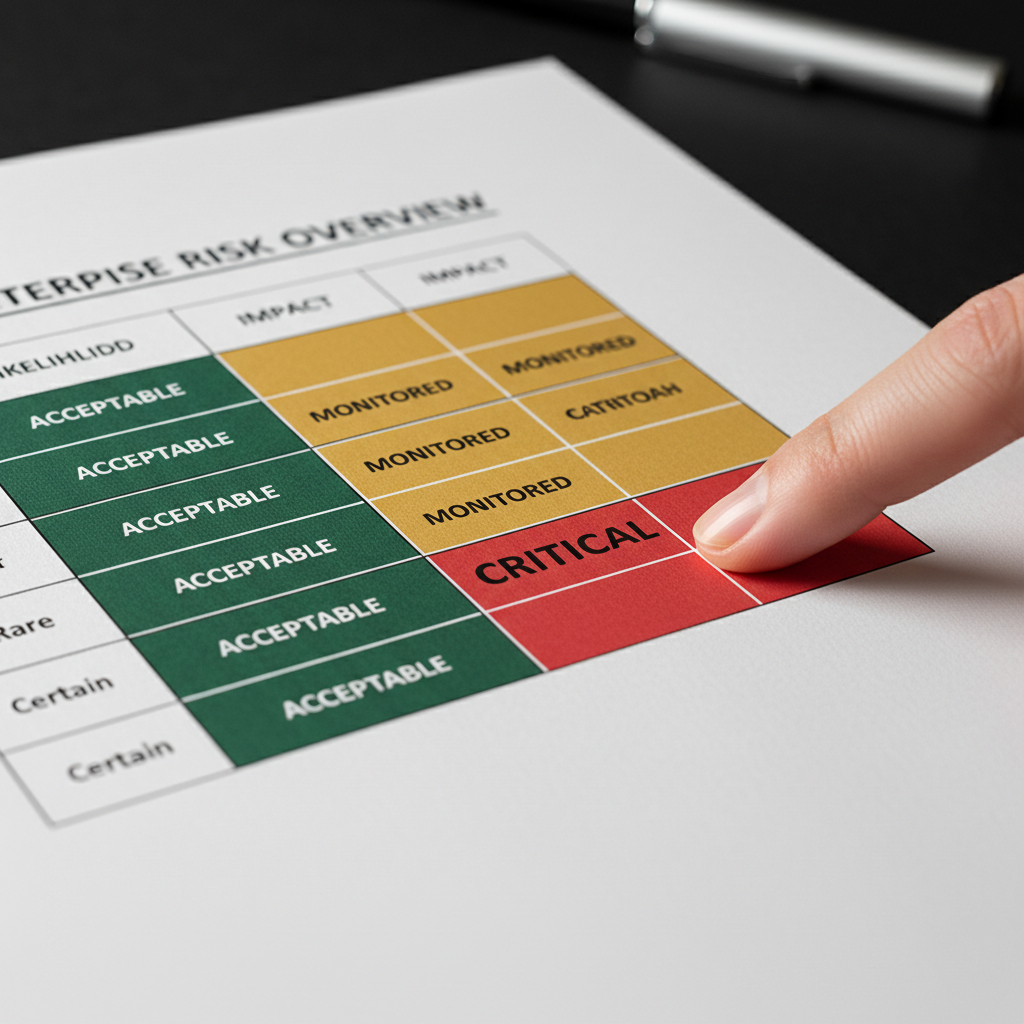
Risk management is a critical component of project management. Identifying potential risks early allows project managers to develop mitigation strategies. This might involve creating contingency plans or allocating extra resources to high-risk areas to prevent delays or budget overruns.
Common Challenges
What Are the Most Common Challenges in Project Management?
Some common challenges include scope creep, resource constraints, and communication breakdowns. Scope creep occurs when additional tasks or features are added without corresponding time or budget adjustments. To combat this, project managers must maintain clear documentation and set boundaries early on.
How Can You Improve Team Communication?
Improving team communication involves regular check-ins, clear documentation, and the use of collaborative tools. Establishing a communication plan at the project's outset ensures that everyone knows how and when to share updates, which minimizes misunderstandings and keeps the project on track.