
Expert Tips for Managing Remote Project Teams Effectively
Le
Understanding Remote Project Management
Managing remote project teams has become a norm in today's global business landscape. With the rise of digital tools and a growing emphasis on work-life balance, more companies are adopting remote work models. However, managing a remote team effectively requires a different set of skills and strategies compared to traditional in-office teams.
One of the key challenges is ensuring clear and consistent communication. Without the ability to walk over to a colleague’s desk, remote teams must rely on digital communication tools. This shift demands a proactive approach to keep everyone on the same page and maintain workflow efficiency.

Communication Is Key
Effective communication is crucial in managing remote teams. Utilize a combination of communication platforms like Slack, Microsoft Teams, or Zoom to facilitate real-time conversations and meetings. It's important to establish regular check-ins and updates to ensure everyone is aligned with the project goals.
To avoid misunderstandings, encourage team members to be explicit in their communications. This means being clear about expectations, deadlines, and responsibilities. Additionally, consider setting up guidelines for communication, such as response times and availability hours, to keep everyone informed and engaged.
Fostering Team Collaboration
Collaboration can be challenging when team members are distributed across different locations and time zones. Encourage the use of collaborative tools like Google Workspace or Asana, which allow team members to work together in real-time, share updates, and track project progress.
Creating a virtual workspace that mimics the collaborative environment of an office can help. This might include virtual brainstorming sessions or team-building activities that can foster a sense of community and belonging among remote workers.

Setting Clear Goals and Expectations
Setting clear and measurable goals is essential for remote project teams. Define specific objectives and key performance indicators (KPIs) to provide direction and motivation. This approach helps in assessing performance and ensures that team members are accountable for their tasks.
Regularly review these goals and provide feedback to help team members stay on track. By maintaining an open line of communication about progress and challenges, you can help the team adapt to changes and overcome obstacles more efficiently.
Utilizing Technology Effectively
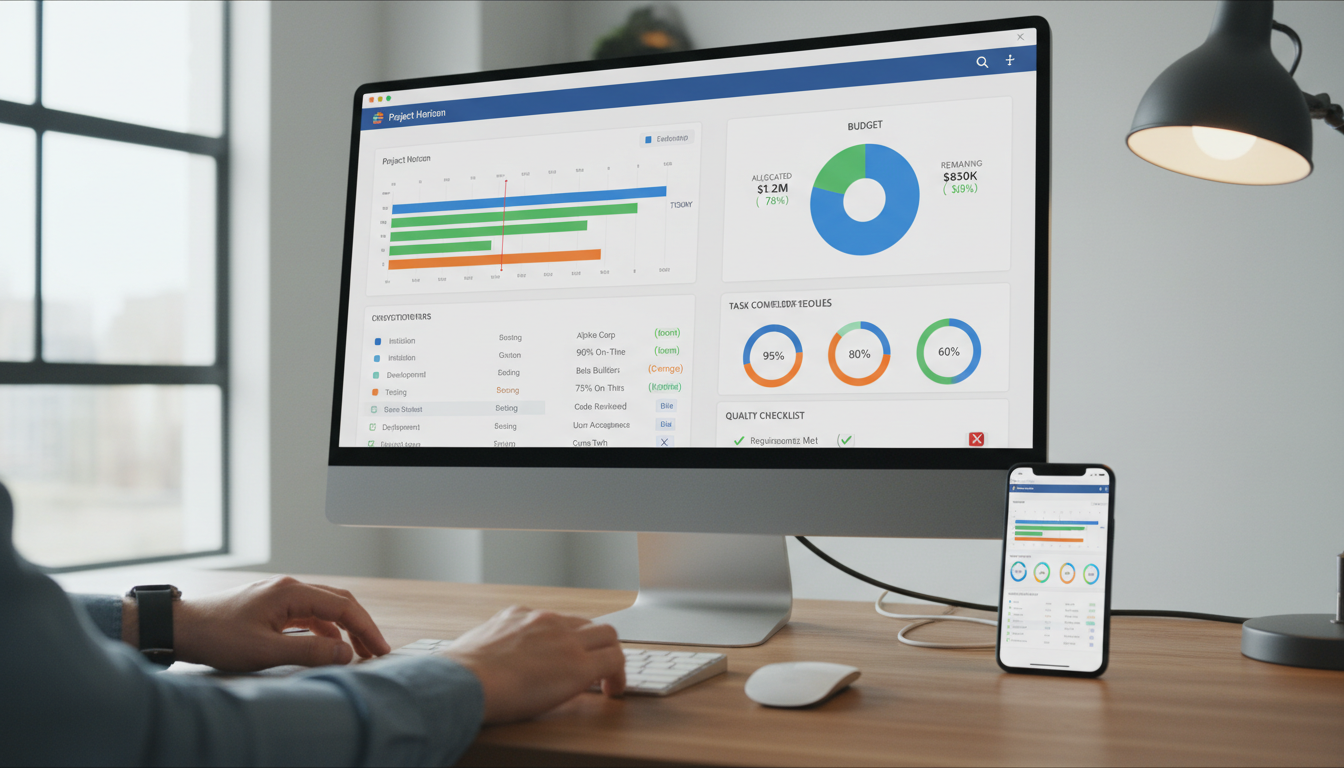
The right technology can significantly enhance the productivity of remote project teams. Invest in project management tools like Trello, Jira, or Monday.com to streamline workflows and keep track of tasks and deadlines. These tools offer visibility into project status and help in prioritizing work effectively.
Additionally, ensure that all team members have access to reliable hardware and software necessary for their roles. Providing training sessions on how to use these tools can further enhance productivity and efficiency.
Maintaining Team Morale
Keeping team morale high is crucial for remote teams. Regular virtual social events, recognizing achievements, and promoting a healthy work-life balance can significantly boost morale. Encourage team members to take breaks and disconnect after work hours to prevent burnout.
Creating a supportive environment where team members feel valued and heard can lead to increased motivation and productivity. Regular feedback sessions can also help in understanding team dynamics and addressing any concerns promptly.