Expert Tips for Managing Remote Project Teams Effectively
Le
Embrace Clear Communication
Effective communication is the backbone of any successful project, but it's especially crucial for remote teams. To ensure everyone is on the same page, make use of various communication tools like Slack, Microsoft Teams, or Zoom. Establish clear communication protocols and set expectations for response times to maintain momentum.

Regular Check-Ins
Schedule regular meetings to discuss progress, address any challenges, and adjust plans as needed. These check-ins help keep the team aligned and provide opportunities for feedback. Use video calls to enhance personal connection and engagement during these meetings.
Utilize Project Management Tools
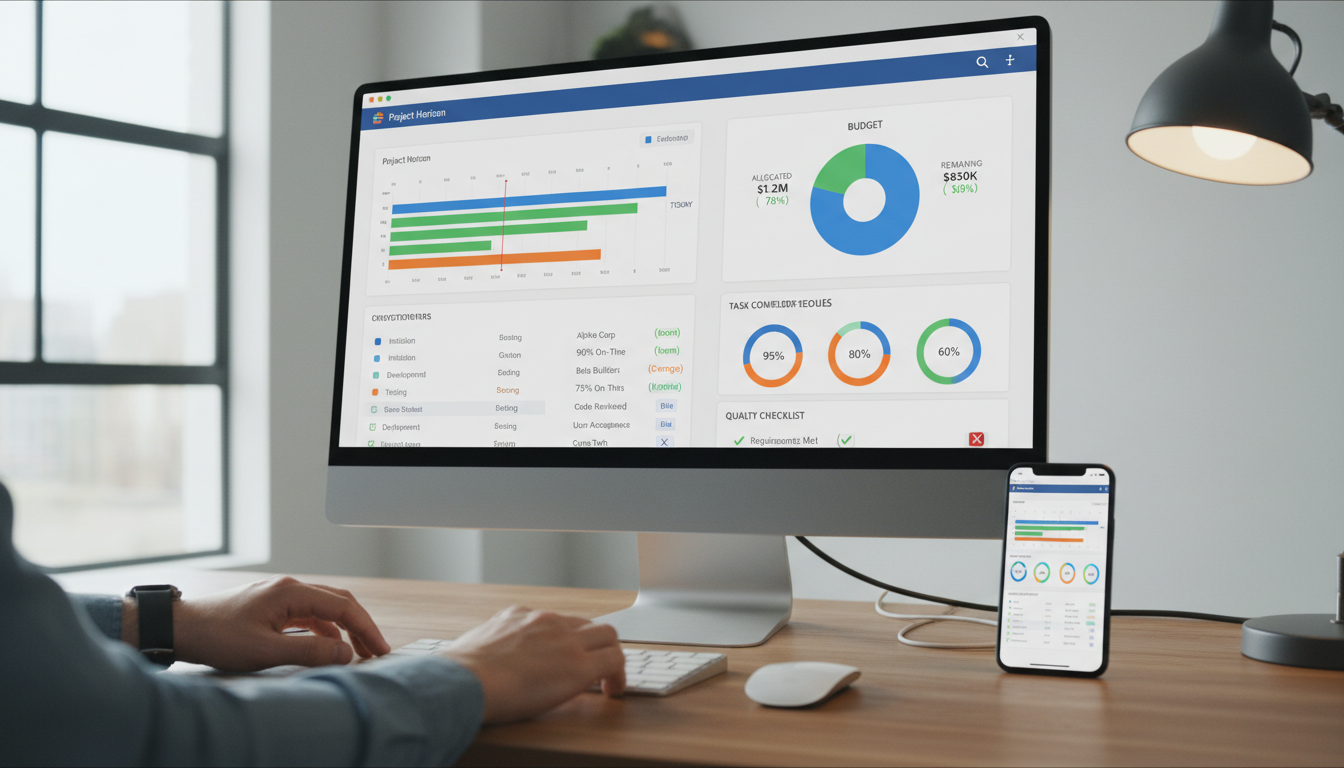
Project management software like Asana, Trello, or Jira can be invaluable for remote teams. These tools help organize tasks, track progress, and assign responsibilities. They provide a centralized location for all project-related information, making it easier for everyone to stay informed and accountable.
Set Clear Goals and Deadlines
Define specific, measurable, and achievable goals for each phase of the project. Clearly communicate deadlines and ensure every team member understands their role in meeting these objectives. This clarity helps maintain focus and drive productivity.
Foster a Collaborative Culture
Encourage collaboration by creating a supportive environment where team members feel comfortable sharing ideas and asking for help. Use tools like Google Workspace or Microsoft 365 to facilitate real-time collaboration on documents and presentations.

Recognize and Celebrate Achievements
Acknowledge the hard work and accomplishments of your team. Celebrating milestones boosts morale and motivates team members to stay committed to the project. Consider virtual team-building activities to strengthen team bonds and foster a sense of belonging.
Provide the Right Tools and Resources
Ensure your team has access to the necessary tools and resources to perform their tasks effectively. This may include software licenses, hardware, or access to training materials. Investing in the right resources can significantly enhance productivity and job satisfaction.

Encourage Flexibility and Balance
Remote work offers flexibility, but it's important to encourage a healthy work-life balance. Allow team members to choose their working hours, as long as they meet deadlines and attend necessary meetings. This flexibility can lead to increased job satisfaction and reduced burnout.
Evaluate and Adapt
Regularly assess the effectiveness of your remote project management strategies. Gather feedback from your team and be open to making adjustments. Adapting to the evolving needs of your team ensures continuous improvement and sustained success.