
Expert Tips for Effective Remote Project Management
Le
Understanding Remote Project Management
The rise of remote work has transformed how projects are managed across industries. Effective remote project management requires a blend of traditional project management skills and new strategies to accommodate virtual environments. In this post, we’ll explore expert tips to help you master remote project management.

Establish Clear Communication Channels
Communication is crucial in any project, but it becomes even more critical in a remote setting. Establishing clear communication channels ensures that team members know where and how to communicate efficiently. Consider using tools like Slack, Microsoft Teams, or Zoom to facilitate seamless interactions.
It's important to set expectations regarding response times and availability. Encourage your team to maintain open lines of communication and use video calls where possible to enhance engagement and understanding.
Set Realistic Goals and Expectations
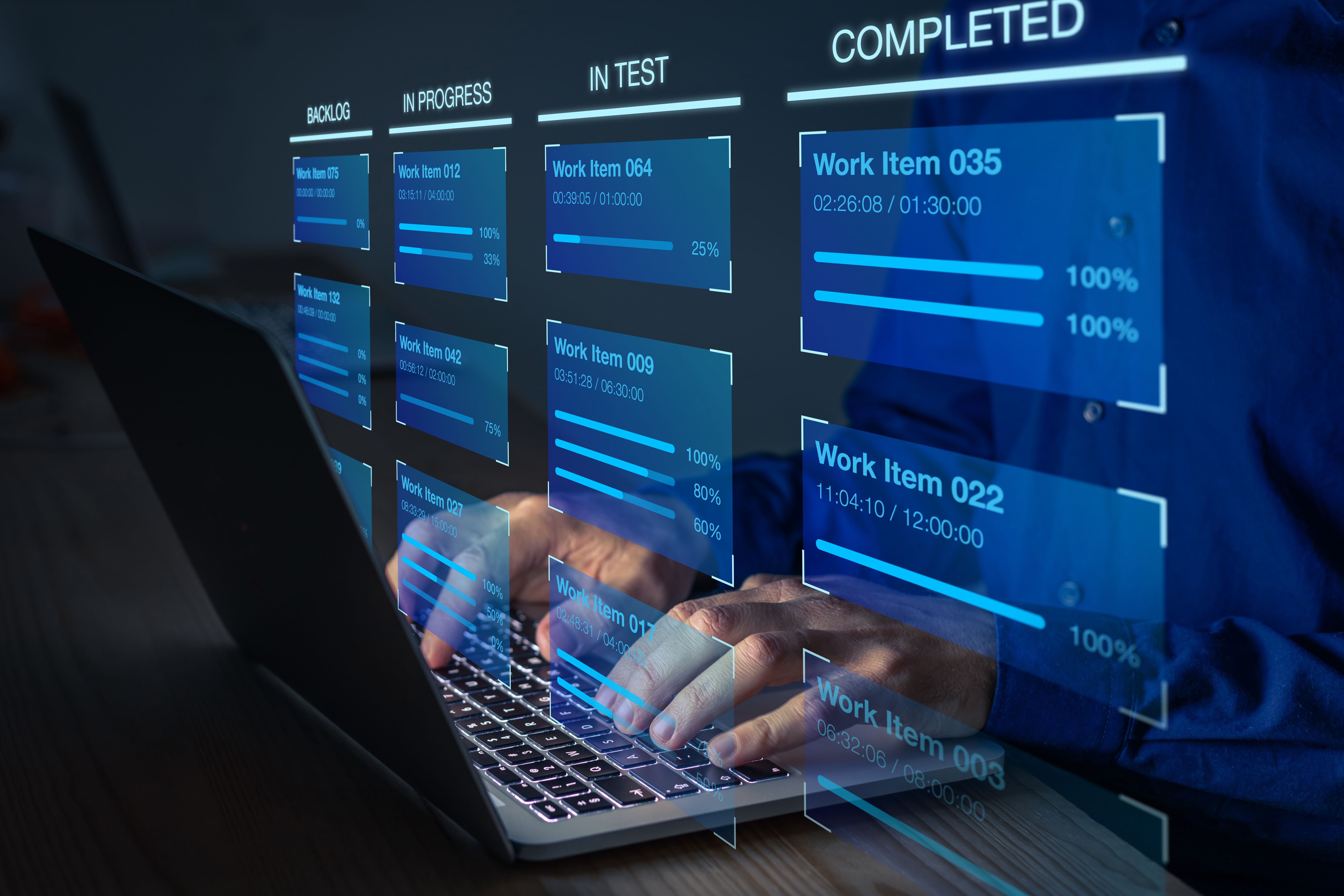
Defining realistic goals and expectations can help prevent misunderstandings and ensure that everyone is on the same page. Use project management tools like Asana, Trello, or Jira to outline tasks, deadlines, and responsibilities. This transparency helps keep the team aligned and accountable.
Leverage Technology for Collaboration
Technology is a vital component of remote project management. Tools such as Google Workspace or Microsoft 365 offer collaborative features that allow team members to work on documents simultaneously. This fosters collaboration and improves efficiency.
Consider incorporating specialized software for specific project needs, such as design tools for creative projects or coding platforms for software development. Keeping your tech stack streamlined and user-friendly is key to maintaining productivity.
Build a Strong Team Culture
Building a strong team culture is essential for remote teams. Regular virtual team-building activities can foster camaraderie and trust among team members. Encouraging informal interactions, such as virtual coffee breaks, can also strengthen relationships and promote a positive work environment.

Monitor Progress and Adapt
Regularly monitoring progress is vital to ensure that the project stays on track. Use dashboards and reports to visualize the project's status and identify potential roadblocks. Providing regular feedback can help team members stay motivated and make necessary adjustments.
Be open to adapting your strategies as needed. Remote project management requires flexibility, and being able to pivot when challenges arise is a significant advantage.
Focus on Results, Not Hours
One of the benefits of remote work is the flexibility it offers. Instead of focusing on the hours worked, emphasize the results achieved. This approach can boost productivity and job satisfaction, as team members can work during their most productive hours.

Embracing a results-oriented mindset helps create a more agile and efficient remote team, ultimately leading to successful project outcomes.