
DIY Project Management: Tips for Small Business Owners
Le
Understanding the Basics of DIY Project Management
For small business owners, managing projects can be both exciting and challenging. Embracing DIY project management allows you to take control of your business's growth and success. By understanding the fundamentals, you can ensure that your projects are completed efficiently and effectively. Start by defining the scope, setting clear objectives, and establishing a timeline.

Setting Clear Objectives
Before diving into any project, it's essential to set clear and measurable objectives. Ask yourself what you want to achieve and how you will measure success. This clarity will guide your team's efforts and keep everyone aligned. Use SMART goals—Specific, Measurable, Achievable, Relevant, and Time-bound—to provide a structured approach.
Effective Planning and Organization
Good planning is the backbone of successful project management. Begin by breaking down the project into smaller tasks and assigning responsibilities to team members. Utilize tools like Gantt charts or project management software to keep track of progress. This will help you visualize the workflow and make necessary adjustments along the way.

Prioritizing Tasks
Not every task holds the same level of importance. Prioritizing tasks can help you focus on what's most critical to your project's success. Consider using the Eisenhower Box or other prioritization techniques to distinguish between urgent and important tasks. This approach ensures that essential activities are addressed first, preventing potential bottlenecks.
Communication and Collaboration
Open and effective communication is vital in DIY project management. Regular meetings and updates help keep everyone informed and engaged. Encourage team collaboration through digital platforms that facilitate easy sharing of ideas and resources. Clear communication reduces misunderstandings and fosters a collaborative environment.

Monitoring Progress
Consistently monitoring project progress is key to staying on track. Use performance metrics and KPIs to evaluate the effectiveness of your strategies. This enables you to identify any deviations from the plan and implement corrective measures promptly. Regular progress reviews also motivate your team by highlighting achievements.
Managing Risks and Challenges
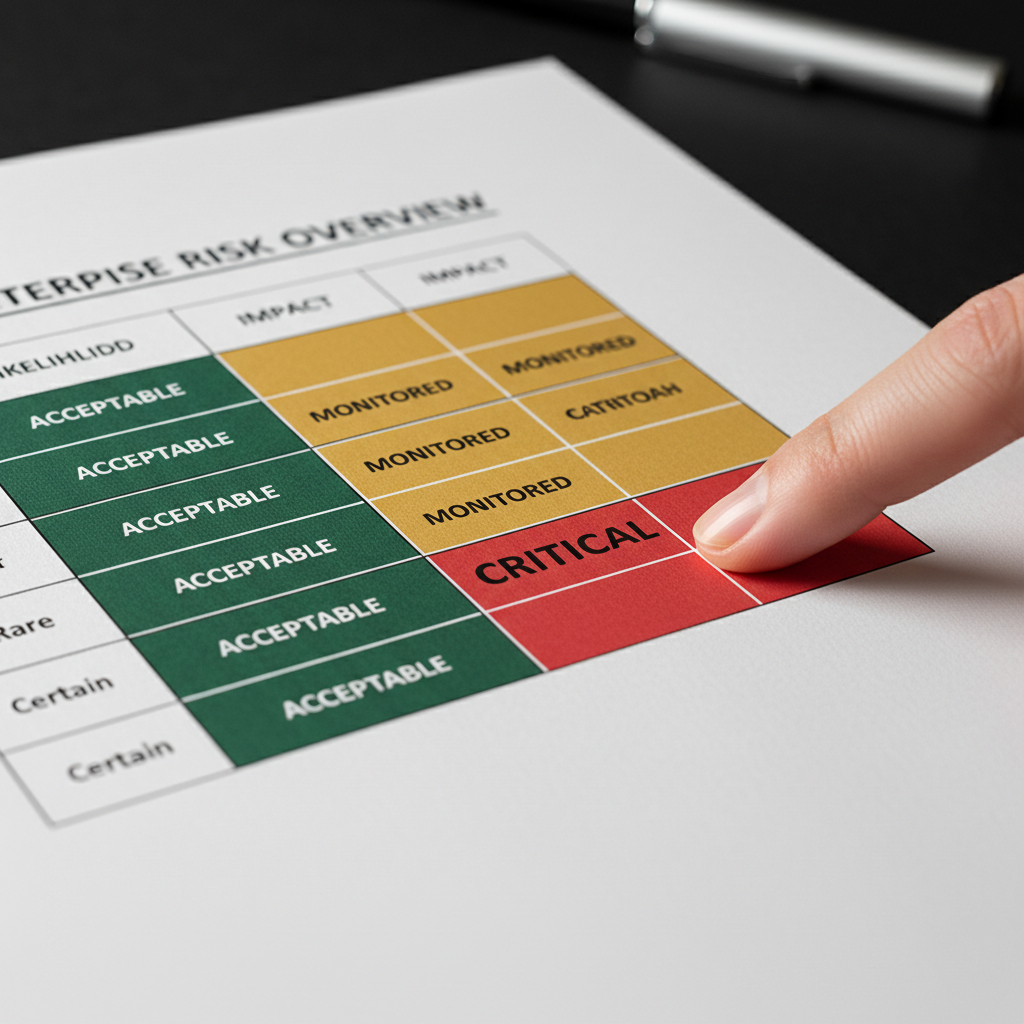
Every project comes with its share of risks and challenges. Being proactive in identifying potential risks allows you to develop contingency plans. Conduct a risk assessment at the outset and revisit it throughout the project lifecycle. This preparedness ensures that you're not caught off guard by unforeseen challenges.
Utilizing Resources Wisely
Effective resource management is crucial for small business projects. Make the most of your available resources, whether it's time, money, or manpower. Automation tools and outsourcing can help you manage tasks more efficiently, allowing you to focus on core business activities.
Conclusion
DIY project management can empower small business owners to achieve their goals by providing a structured approach to handling projects. By setting clear objectives, planning effectively, and fostering open communication, you can navigate the complexities of project management with confidence. Embrace these strategies to drive your business forward and turn your vision into reality.