A Step-by-Step Guide to Successful Project Planning
Le
Project planning is a critical component of successful project management. It sets the foundation for the entire project, ensuring that objectives are met and resources are used efficiently. A well-crafted plan can make the difference between success and failure. Here’s a step-by-step guide to help you navigate through the process.
Define Your Project Goals
The first step in project planning is to clearly define the project goals. What are you aiming to achieve? Having a well-defined goal helps keep the project on track and provides a clear direction. Make sure your goals are Specific, Measurable, Achievable, Relevant, and Time-bound (SMART).
Engage with stakeholders to ensure that everyone’s expectations are aligned. This collaboration helps prevent misunderstandings and sets realistic objectives for the project team.

Identify Key Deliverables
Once you have your goals in place, identify the key deliverables. These are the tangible outputs or results that the project will produce. Create a list of deliverables and set deadlines for each to ensure smooth progress.
Break down the deliverables into smaller, manageable tasks. This segmentation helps in assigning responsibilities and tracking progress effectively.
Develop a Project Timeline
A project timeline is crucial for maintaining momentum. Start by estimating the time required for each task and then map these tasks chronologically. Utilize tools such as Gantt charts to visualize the timeline and dependencies.
Be sure to incorporate buffers for unforeseen delays. Flexibility in your timeline can mitigate risks and keep the project on schedule.

Allocate Resources Wisely
Resource allocation is about assigning the right people, tools, and budget to each task. Analyze your team’s strengths and assign roles accordingly. Ensure that all team members are clear about their responsibilities.
Budget wisely by estimating costs and allocating funds where necessary. Regularly review and adjust your budget to avoid overspending.
Risk Management
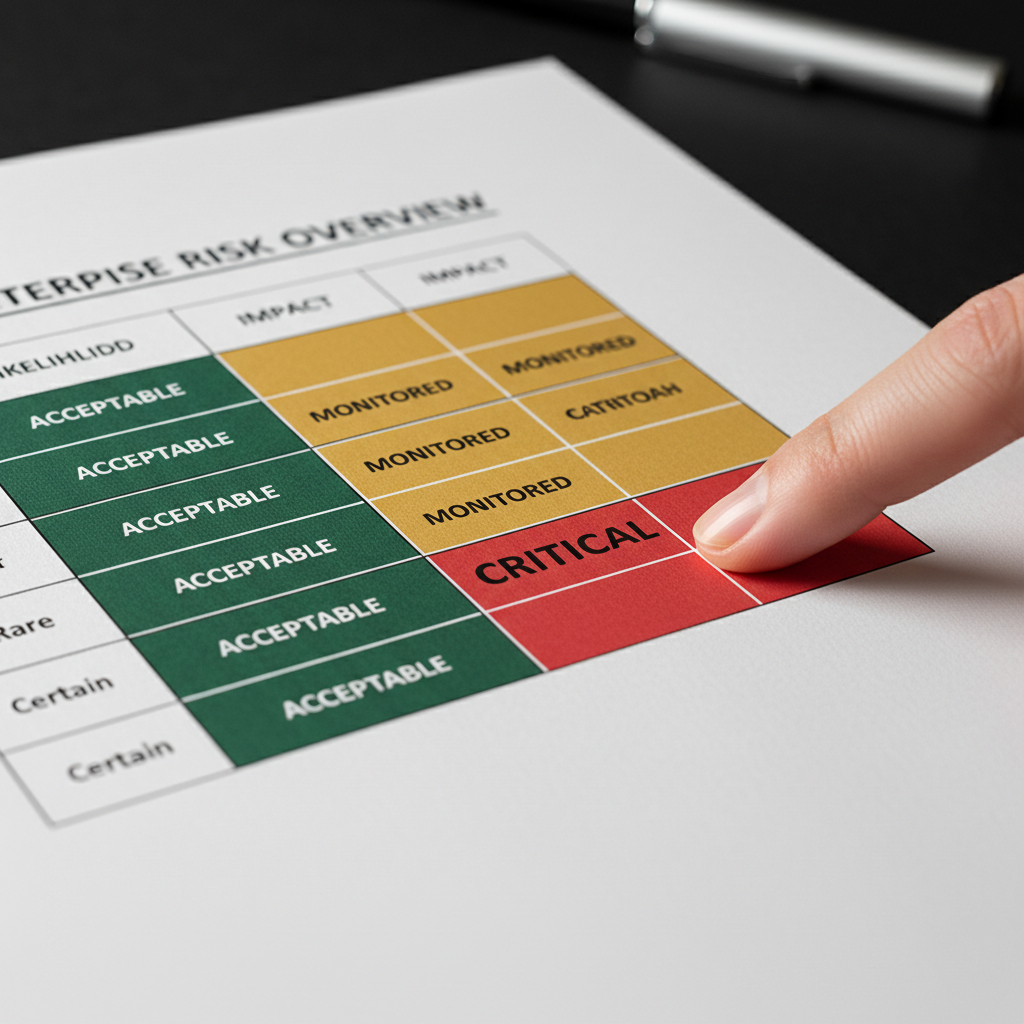
Identify potential risks early in the planning phase. Create a risk management plan that outlines strategies for mitigating these risks. This proactive approach can save time and resources in the long run.
Regularly review and update your risk management plan as the project progresses to address any new risks that may arise.
Monitor and Control
Once the project is underway, continuous monitoring is essential. Establish key performance indicators (KPIs) to measure progress. Use project management software to track tasks, timelines, and resources effectively.
Conduct regular meetings with your team to discuss progress, challenges, and adjustments. This ongoing communication helps in maintaining alignment and addressing issues promptly.
Evaluate Project Success
After project completion, it’s important to evaluate its success. Review the outcomes against the initial goals and objectives. Gather feedback from stakeholders and team members to understand what worked well and what didn’t.
This evaluation process is crucial for learning and improving future projects. Document your findings and implement changes to enhance your project management approach.