
A Beginner's Guide to Agile Project Management
Le
What is Agile Project Management?
Agile Project Management is a dynamic and flexible approach to managing projects, primarily used in software development but applicable across various industries. It emphasizes collaboration, customer feedback, and small, rapid releases to improve project efficiency and stakeholder satisfaction.
Unlike traditional project management methods, Agile is iterative, allowing teams to adjust their strategies and goals as the project progresses. This adaptability is crucial in today's fast-paced business environments.

The Core Principles of Agile
The Agile methodology is built on several core principles that guide teams in their project management processes. Understanding these principles is essential for anyone looking to implement Agile in their projects.
Customer Collaboration Over Contract Negotiation
Agile focuses on building a strong relationship with customers. Regular feedback and open communication ensure that the final product aligns with customer needs and expectations.
Responding to Change Over Following a Plan
Agile embraces change, allowing teams to pivot and adapt as necessary. This flexibility helps projects remain relevant and effective, even as original plans evolve.

Agile Frameworks and Methodologies
Agile is not a one-size-fits-all approach; it encompasses various frameworks and methodologies. Choosing the right one depends on the specific needs and goals of your project.
Scrum
Scrum is one of the most popular Agile frameworks. It divides projects into short cycles called sprints, typically lasting two to four weeks. Each sprint results in a potentially shippable product increment.
Kanban
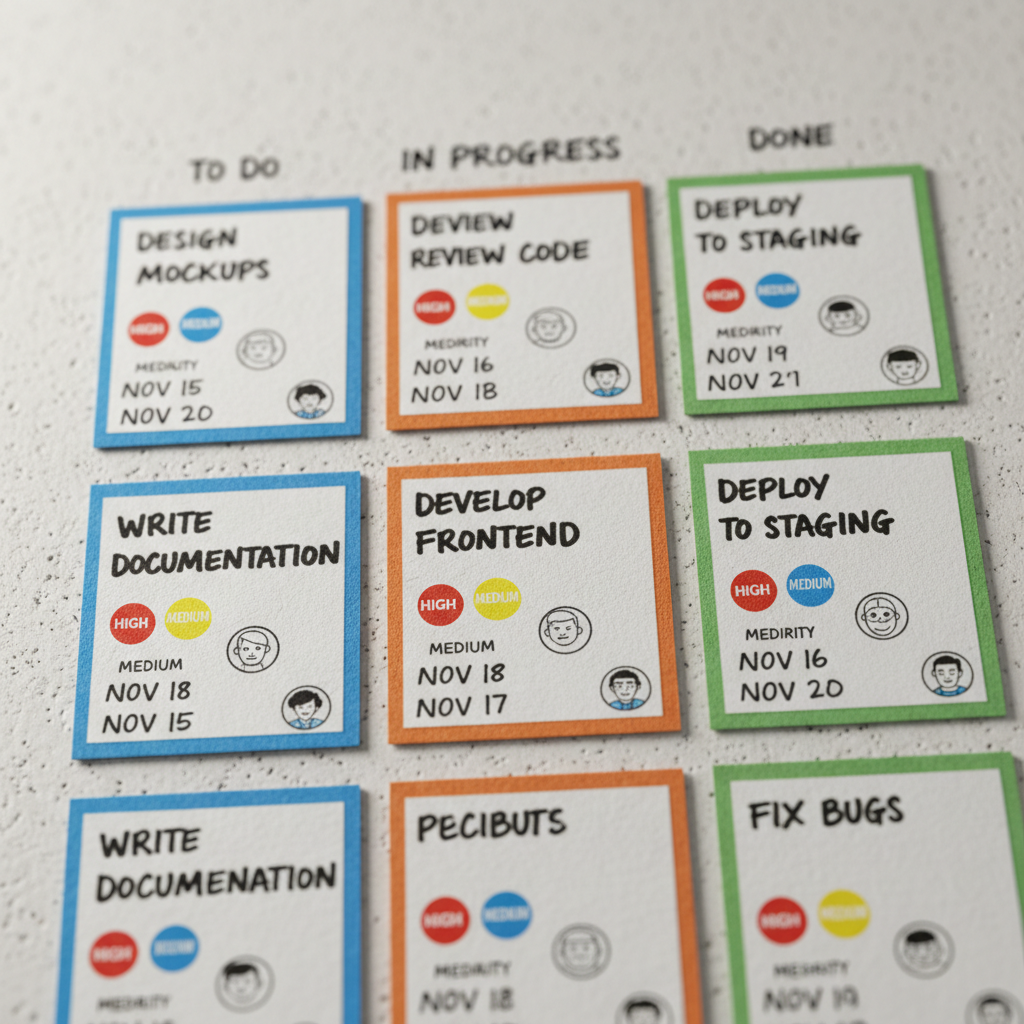
Kanban focuses on visualizing workflow and limiting work in progress to increase efficiency. It uses a board with columns representing different stages of the process to track progress.
Getting Started with Agile
Transitioning to Agile can seem daunting, but starting small and gradually incorporating Agile practices into your workflow can ease the process. Here are some steps to get started:
- Educate your team about Agile principles and benefits.
- Select an Agile framework that suits your project needs.
- Begin with a pilot project to test and adapt Agile practices.
Common Challenges and Solutions
While Agile offers many benefits, teams may face challenges such as resistance to change or difficulty in estimating timelines. Address these challenges by fostering a culture of open communication and continuous improvement.
In conclusion, Agile Project Management is a powerful approach that can enhance project efficiency and adaptability. By understanding its principles and methodologies, teams can deliver value more effectively.